Experts say ignoring dengue symptoms can become dangerous
Dengue is not just another fever, doctors warn on National Dengue Day
- By Gurmehar --
- Sunday, 17 May, 2026
Every year during the rainy season, dengue cases begin rising across many parts of India. Most people think dengue is just another viral fever that goes away after a few days of rest and medicines. But doctors are warning that this belief can sometimes become dangerous.
On National Dengue Day, observed on May 16, health experts reminded people that dengue is not always a mild illness. In some cases, it can become severe very quickly and may even become life-threatening if treatment is delayed.
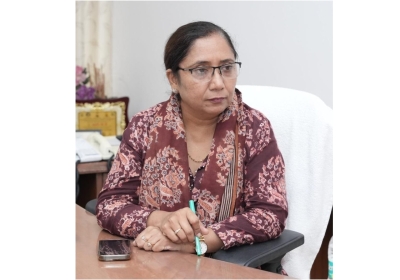
According to Dr Amol Jaybhaye, Consultant in Infectious Diseases at Narayana Health SRCC Children’s Hospital in Mumbai, people should never ignore symptoms such as vomiting, weakness, stomach pain or breathing problems during dengue infection.
Doctors say many patients reach hospitals very late because they assume the fever will go away on its own. This delay can increase health risks and make treatment more difficult.
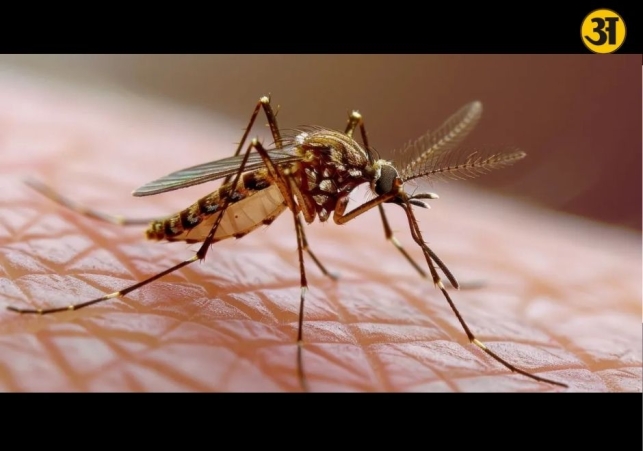
Dengue is caused by the bite of an infected Aedes mosquito. These mosquitoes usually breed in stagnant water found in coolers, buckets, flower pots, open containers and construction areas. Dengue cases increase especially during monsoon months because water collects easily in many places.
The illness usually starts with high fever, body pain, headache and weakness. Some people also experience pain behind the eyes, nausea and skin rashes. In mild cases, patients recover within a few days with proper rest, hydration and medical care.
However, doctors say dengue does not remain mild in every case.
Dr Jaybhaye explained that dengue can suddenly become severe and affect different organs in the body. The disease may cause dehydration, liver problems, breathing difficulty, bleeding complications and a rapid fall in platelet count.
In some patients, dengue may even lead to a condition called dengue shock syndrome. This happens when blood pressure drops dangerously low and organs do not get enough blood supply. Doctors say this condition can become fatal if emergency treatment is not given quickly.
Children, elderly people, pregnant women and patients already suffering from other diseases are considered more vulnerable to severe dengue complications.
According to health experts, one of the biggest problems is that many people continue self-medicating at home instead of consulting doctors.
People often take painkillers or medicines for fever without proper medical advice. Doctors warn that certain medicines may increase bleeding risk in dengue patients, especially when platelet counts start falling.
This is why medical supervision becomes important during dengue infection.
Dr Jaybhaye said that dengue treatment is not only about checking platelet levels. Doctors also monitor dehydration, blood pressure, liver function and breathing problems.
He explained that regular blood tests, fluids, proper medicines and observation are important for safe recovery.
Doctors say there are several warning signs that should never be ignored during dengue.
These include:
Repeated vomiting
Severe stomach pain
Bleeding gums or nose
Extreme weakness
Difficulty breathing
Dizziness
Inability to eat or drink properly
Restlessness or confusion
According to experts, patients showing these symptoms should immediately visit a hospital or doctor instead of waiting for the fever to improve naturally.
Many people wrongly believe platelet transfusion is needed in every dengue case. However, doctors clarify that treatment depends on the patient’s overall condition and not just platelet numbers alone.
Specialists say panic over platelet counts often creates unnecessary fear among families.
Health experts also stress the importance of hydration during dengue infection. Patients are advised to drink enough fluids like water, coconut water, soups and oral rehydration solutions to prevent dehydration.
Since dengue weakens the body, proper rest and nutrition also become important for recovery.
Doctors say awareness is one of the strongest tools in controlling dengue.
Many dengue cases can be prevented if people remove stagnant water from their surroundings regularly. Mosquitoes that spread dengue usually breed in clean stagnant water rather than dirty drains alone.
Experts advise people to check coolers, flower pots, water tanks, buckets, old tyres and rooftop containers every few days during monsoon months.
Simple precautions can reduce mosquito breeding significantly.
Doctors recommend:
Using mosquito repellents
Sleeping under mosquito nets if needed
Wearing full-sleeve clothes
Keeping windows covered with screens
Cleaning water storage containers regularly
Changing water in flower vases often
Keeping surroundings clean and dry
Health officials say dengue is becoming a growing public health challenge in urban areas because of population growth, waterlogging and changing weather conditions.
Rapid urbanisation has increased the number of mosquito breeding spots in many cities. Construction sites, blocked drains and uncovered water storage areas often become major mosquito breeding centres.
ALSO READ: Xi warns US over Taiwan issue during Trump meeting in Beijing
ALSO READ: Russia plans to deploy powerful Sarmat nuclear missile by end of 2026
Climate changes and longer rainy seasons are also believed to be contributing to rising dengue cases in several regions.
Doctors say public participation is extremely important because mosquito control cannot happen through government efforts alone.
Families, schools, offices and local communities all need to remain alert during dengue season.
Awareness campaigns on National Dengue Day aim to educate people about early symptoms, prevention and timely treatment.
Experts believe early diagnosis can save lives because severe dengue complications can often be controlled if treatment begins on time.
Dr Jaybhaye said people should stop treating dengue like “just another fever” because the illness can worsen suddenly without warning.
He added that quick medical attention, regular monitoring and proper care can help most patients recover safely.
Doctors say the message is simple: do not panic, but do not ignore symptoms either.
With proper precautions, awareness and timely treatment, dengue-related complications and deaths can be reduced significantly.
Health experts also remind people that preventing mosquito breeding at home and in neighbourhoods remains the most effective way to fight dengue and protect families during the monsoon season.
Related News